




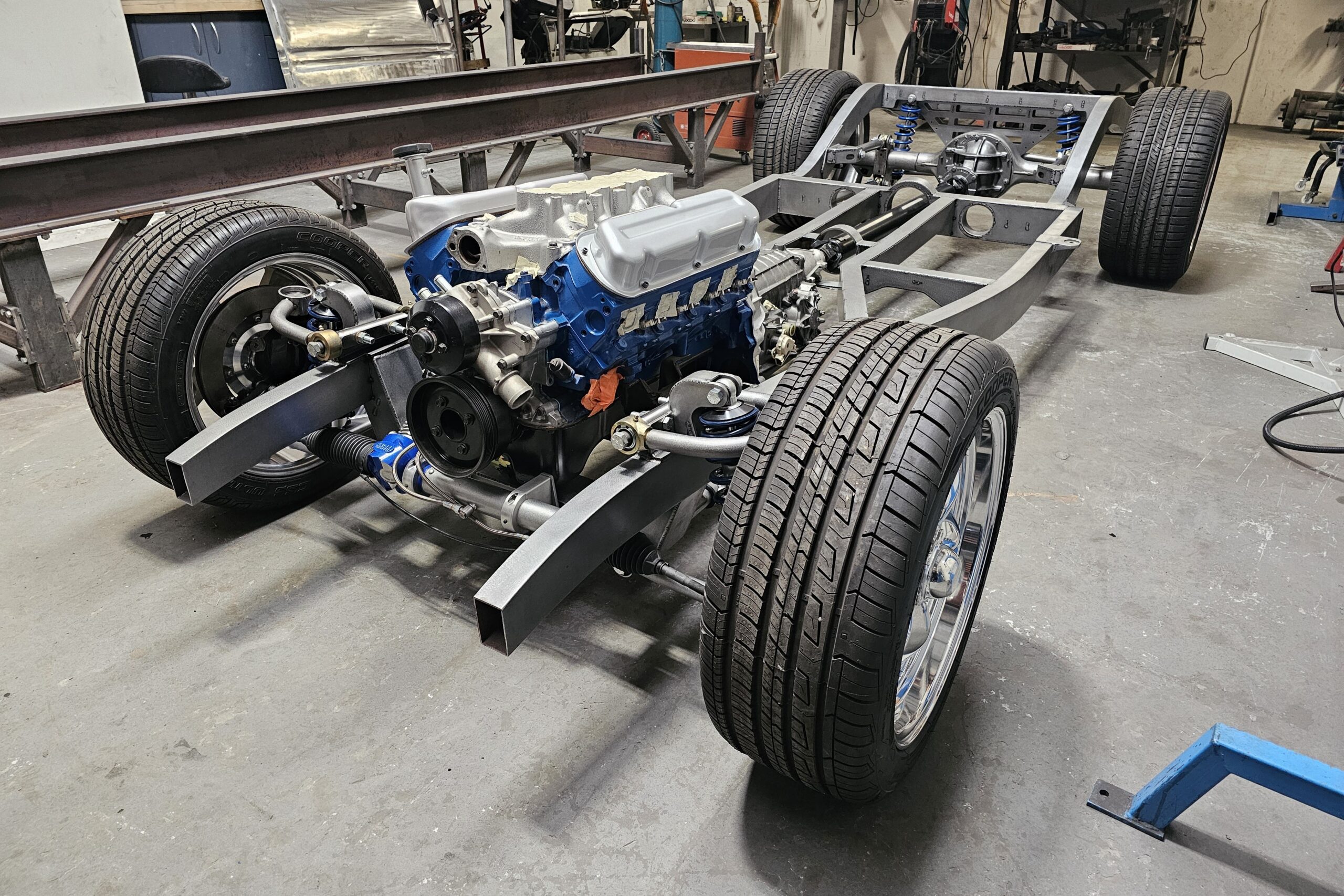
Anyone who’s spent time around serious street machines, drag cars, or hot rods in New Zealand has likely come across The Krysler Shop, the country’s specialist for custom Ford nine-inch rear ends — the diff of choice for high-powered builds the world over. Based in Mount Maunganui, the shop’s reach now extends well beyond rear ends into chassis fabrication, independent front suspension, and full vehicle builds from bare metal up.
The man behind it all is Tim Barwell, and like most good specialists, he didn’t set out to corner a niche so much as grow into one. We sat down with Tim to find out how he has turned his business into one of New Zealand’s most respected performance workshops.
NZV8: The Krysler Shop has become the go-to name for custom nine-inch Ford rear ends in New Zealand. How did you end up specialising in something so niche — and was that always the plan?
Tim Barwell: “I don’t know if there ever was a plan. I was buying Currie diffs through another supplier, then one day I was told, ‘No need to call us, you have your own account.’ Brian Shephard at Currie Enterprises set me up and has been a wealth of knowledge over the years.”
The Ford nine-inch has been around since the late ’50s and is still the preferred choice for high-powered street and drag builds today. What makes it so enduring?
“Strength, availability of parts, and ease of maintenance. The aftermarket industry produces everything you need to build a nine-inch from mild to wild. To install new bearings or change a ratio, it’s usually straightforward to remove the axles and third member and complete the upgrades on a bench.”
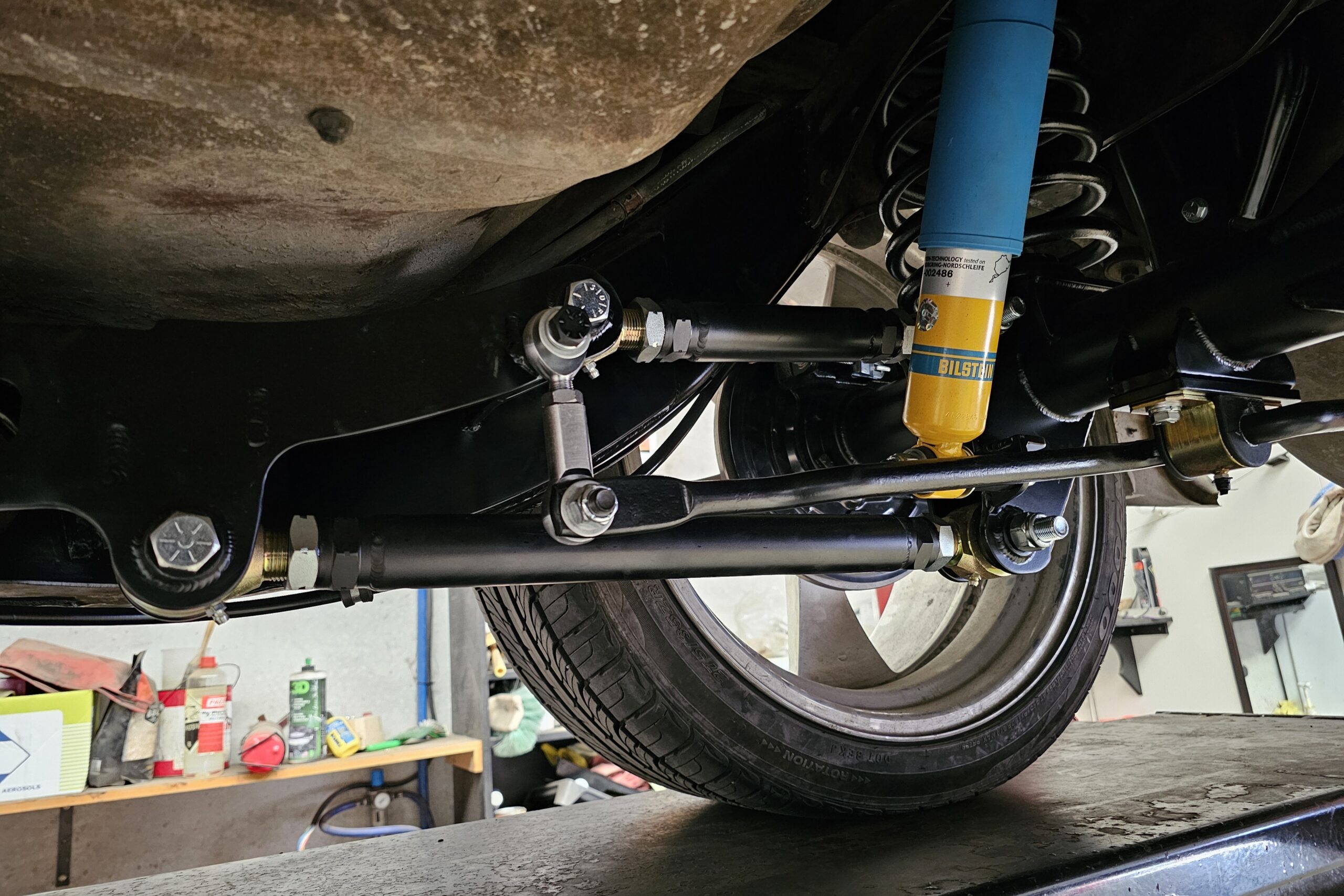
You’re building rear ends to handle everything from weekend street machines through to 2,500hp drag cars. How different are the specs at either end of that scale?
“31-spline 600hp builds were common at the beginning, then the power levels began to creep up. 35-spline 1,000hp became the new norm, then — like you say — 2,500hp street and drag, which is not uncommon now. Everything just gets bigger: 40-spline axles, full floater hubs, custom bracketry. We now make our own NZ9 fabricated housing centre for use on these builds.”
Chassis fabrication, independent front suspension, full hot rod builds — the shop clearly takes on more than just rear ends. How does that side of the business come about?
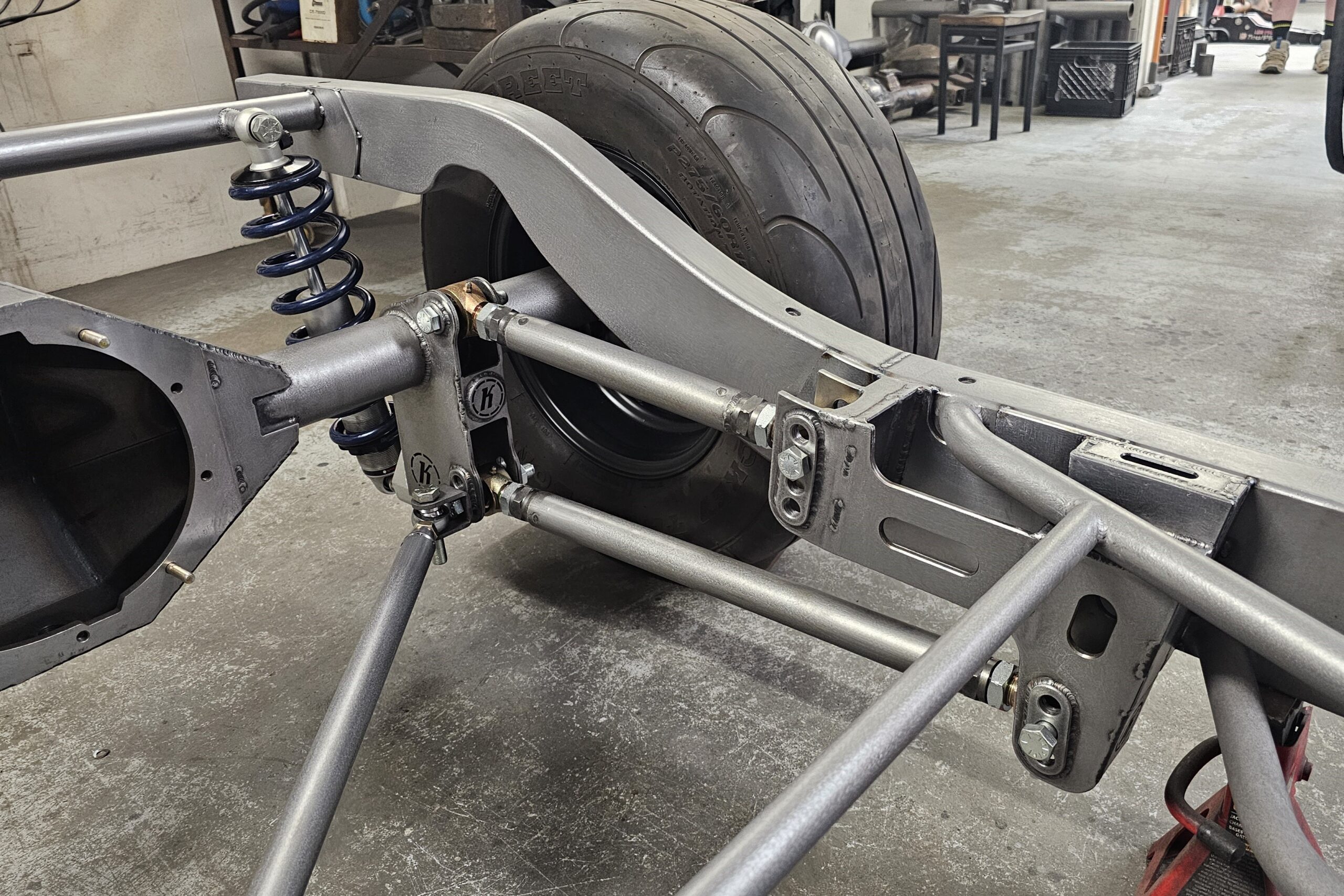
“We are primarily a nine-inch diff shop, and everything grows from there. An axle seal once turned into a blown stroker, full mechanical, full panel and paint type build. The ’39 Coupe project we did was a nine-inch build, then four-bar suspension, then a full chassis. The body was going to an outside panel shop, but then you lose control over the chassis fitment — so we took that on too.”
For someone commissioning a full build for the first time, what should they have sorted before they even come to see you?
“They need to talk to other customers from that shop and see how their build went. What is your budget? What are your expectations? Most of our customers are repeat or are sourced through word of mouth, over the internet, and from features in NZV8 showcasing our work. A customer will tell me what they have and what they want, and I will tell them what they need. We then find a common ground, and if both the customer and the project match with us, we’ll take the job on.”
Project builds rarely run to a fixed timeline. How do you manage expectations around time and cost when there are so many unknowns?
“Diff builds are easy — I know the cost and how long it will take once I have the required info. Each customer gets an itemised parts breakdown, which we can both reference and either complete to that spec or update as required. Installs into vehicles get a bit more into the unknown and are completed on an hourly rate. Big builds cost time and money — if you want quality, you can’t hide from either. We pride ourselves on working hard and giving the customer the best we can.”
You’re based in Mount Maunganui, but customers clearly come from well beyond the Bay of Plenty. How far does the work travel?
“We’ve been shipping turn-key nine-inch builds throughout the country since we started. We’ve sent parts to Australia and a complete HQ set-up — front and rear — to Fiji. I’m always taking photos, and each customer has a library here. Customers get spammed with pics as the work progresses. And I’m sure we get a lot of work being based here — customers can drop off or pick up and spend time doing Mount laps or at the beach.”
What’s sitting in your own garage?
“It’s Ford country at home — a couple of drivers in a ’62 Fairlane and a ’67 F250. The project on the go is a 1930 Model A Tudor on a ’32 frame with a blown 532ci big-block. While it’s an active project, it’s something I walk past daily while working on customer builds.”